You’ve got a Slack workspace with 847 members. Your Discord...
Read More



International SEO Strategy: Common Mistakes SaaS Companies Should Avoid
A market research study projects that the global SEO market...
Read More

How to Create Sales Enablement Content for Every Stage of the B2B Buyer’s Journey
According to Gartner’s 2026 sales survey, 67% of B2B buyers...
Read More
How B2B Podcast Marketing Builds Authority and Drives Pipeline
Podcasting has become an increasingly important channel for brands looking...
Read More
How B2B Video Marketing Improves Brand Trust and Sales Conversions
Think about the last time you considered buying a B2B...
Read More
You Don’t Know You are Scaling Until the Questions Change
A founder asks, ‘Can we do it?’ A scaling company...
Read More
Schema Markup for SEO: Essential Structured Data Every B2B Website Needs
According to the July 2026 Schema.org usage dataset, 5,545 Schema.org...
Read More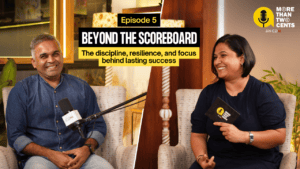
How a Sportsman’s Mindset Shapes Business Growth
What can building a business learn from building an athlete?...
Read More
How to Build a LinkedIn Marketing Strategy That Generates High-Quality B2B Leads
A strong LinkedIn marketing strategy is necessary if you want...
Read More
The Ultimate List of AI Search Optimization Tools for 2026
Your brand’s reputation is now stored in a new algorithm...
Read More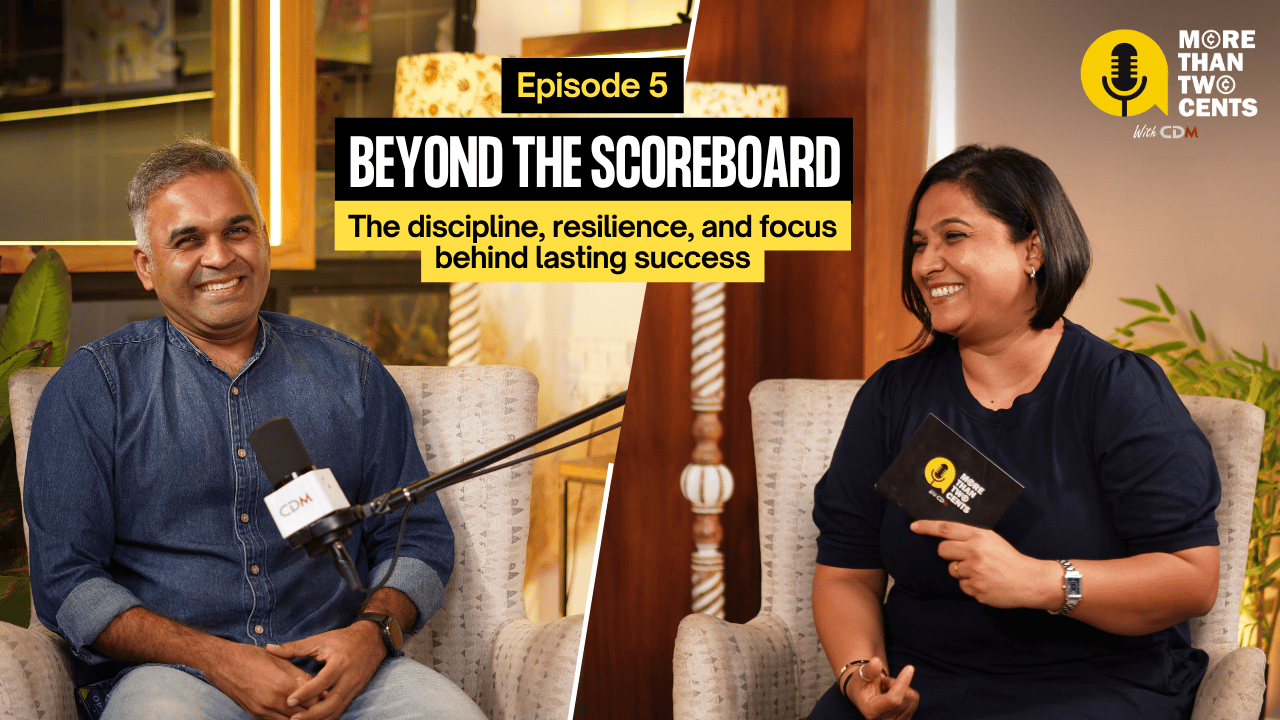
What can building a business learn from building an athlete?
The answer is not as different as you might expect.
That was at the heart of the latest episode of More Than 2 Cents with CDM, where host Sujata Upadhyay spoke with Nikhil Laddha, co-founder of Kinder Sports, about what sports can teach us about customers, branding, credibility, sales, and leadership.
For Nikhil, understanding customers begins with understanding where you can create the most value. He recalls his time in Australia, where his mentor pushed him to think beyond simply liking swimming and ask whom he actually wanted to coach. After three months of training, he realised that he particularly enjoyed working with infants.
Reflecting on that experience and how it influenced his approach to Kinder Sports, Nikhil says:
“I love to train infants.”
The experience helped him understand the importance of identifying a specific audience and recognising where he could deliver the most value. That thinking eventually became part of how he approached building Kinder Sports.
The conversation then moves to a question businesses often struggle with: how do you know whether the business is actually doing well? Drawing a parallel with sports, where a scoreboard shows the result but not everything that happened during the game, Nikhil explains:
“It is just not the top line and bottom line that show the success of the business.”
He points to customer satisfaction, repeat orders, and referrals as additional indicators that can reveal what is happening beneath the financial numbers. For him, the important part is not just looking at the score, but understanding why the score looks the way it does.
That same long-term thinking applies to building credibility. When discussing how businesses establish a reputation, Nikhil compares it to an athlete’s performance over time:
“You cannot build a reputation by just one beautiful game.”
A strong project can help, but lasting credibility comes from consistently delivering, learning from setbacks, and improving. Nikhil also believes businesses should be willing to share what they learn along the way. On the role of thought leadership, he says:
“Be open, go ahead and share your learnings. People love to hear that.”
His view is that founders often learn their most valuable lessons through real projects, yet hesitate to share those experiences. Consistently putting those insights out into the world can help build trust and establish expertise.
The discussion then turns to branding and whether startups should focus on immediate revenue first and worry about branding later. Nikhil offers a simple comparison:
“Branding is like SIP. You’ve got to start early.”
His message is that branding should begin alongside the business, even if the effort starts small. Like a regular investment, consistent branding can compound over time, building recognition and credibility before the company urgently needs them.
The conversation also looks at the difference between having customers and building genuine connections with them. Explaining how businesses can move beyond transactional relationships, Nikhil says:
“It is about being a community.”
The goal is not simply to meet a customer’s needs, but to create an emotional connection that can turn customers into advocates for the brand.
That long-term approach is also evident in Kinder Sports’ sales process. Some of its work with state governments can take 14 to 16 months to convert. Discussing the importance of preparation for such a sales cycle, Nikhil says:
“You have to prepare way before.”
For him, sales preparation is similar to athletic training. Relationships, products, marketing, and visibility need to be developed well before the opportunity is ready.
Finally, the conversation turns to building teams that can operate without the founder making every decision. Nikhil believes leadership is less about finding perfect people and more about developing them:
“There is nothing called a perfect team. It is how good you can coach your team so that they become perfect.”
Giving people the confidence to make decisions allows founders to step back and focus on what they do best.
When asked to sum up the biggest business lesson sports has taught him, Nikhil chooses one word: “Patience.” A great customer, he says, is defined by “Trust,” while business is like “Chess” because every decision shapes what comes next.
The larger lesson is simple. Business growth, much like sport, is built through preparation, consistency, trust, and the patience to keep playing the long game.
Watch the full episode of More Than 2 Cents with CDM to hear Nikhil Laddha’s complete perspective on building a business with a sportsman’s mindset.