If you notice, the whole internet search process has been...
Read More
Mastering Social Media Content Writing for B2Bs: Cross-Platform Strategies for 2025
Social networking and content writing have expanded beyond the B2C...
Read More
CDM Media Group – Content as a Service Provider




If you notice, the whole internet search process has been...
Read More

You know that feeling when everything you thought you knew...
Read More
Sam Altman’s internal memo marked ‘code red’ wasn’t about a...
Read More
For nearly three decades, Search Engine Optimization (SEO) has shaped...
Read More
If you have ever felt like Google Ads is that...
Read More
The Rise of Video in Business Communication There has been...
Read More
Social networking and content writing have expanded beyond the B2C...
Read More
With 60% of marketers citing consistency as their biggest content...
Read More
July 10, 2025 wasn’t just another day in the digital...
Read More
Content alone is no longer sufficient in today’s digitally-driven world...
Read More
Social networking and content writing have expanded beyond the B2C playground. In 2025, B2B companies are finding real traction, brand authority, and lead generation opportunities across platforms once considered out of scope.
As of February 2025, 63.9% of the global population uses social media. Today’s buyers are self-directed, tech-savvy, and demand the same caliber of content from B2B companies as they do from leading publishers.
However, what is required to regularly create engaging social media content that appeals to specialized decision-makers across platforms? It begins with a strategy that’s sharp, scalable, and cross-platform.
In this blog, we’ll outline the approach that modern B2B brands need to take in order to master the art of creating content for social media and show how CDM is helping companies take the initiative, one post at a time.
Social media has become an essential touchpoint for pipeline influence, trust-building, and B2B brand visibility. The days of checking the “online presence” box with a weekly LinkedIn post are long gone. Now, in 2025, Content writing and discovery are impacted by AI algorithms, micro-engagements, and platform-native storytelling.
B2B buyers now research brands using reels, thought threads, video case studies, and expert-led livestreams. Niche communities are forming around content styles rather than just industry.
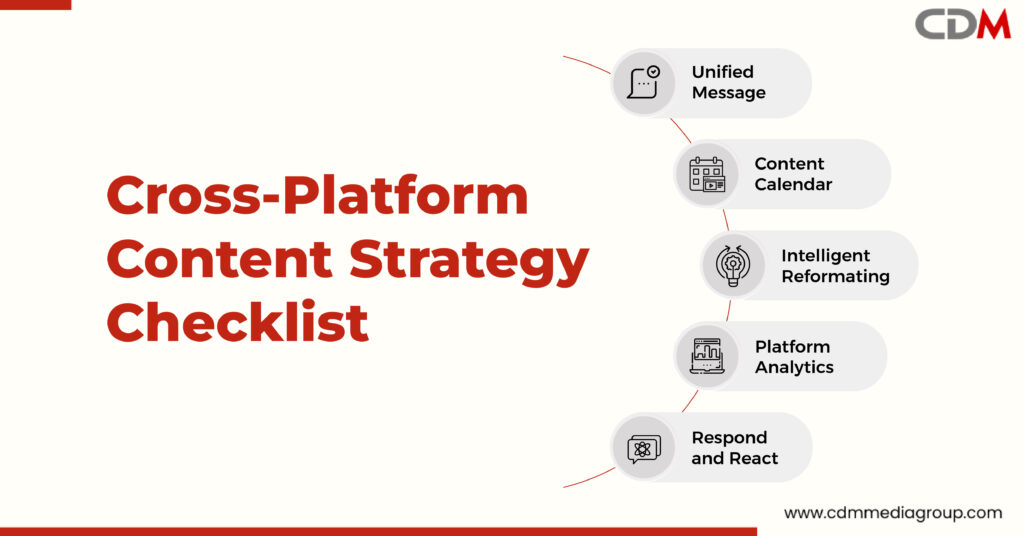
B2B marketers need to switch from isolated content to ecosystem-led planning in order to stay up to date. This means that each post should work towards a clear, cohesive message that speaks to the core of each platform.
Brands that master these networks and their respective content-writing strategies stand out because each platform has its own language. B2Bs can alter their writing and messaging in the following ways:
LinkedIn:
In business-to-business transactions, the bar for thought leadership is still the same. Prioritize posts with opinions, industry breakdowns, and brief insights. Maintain a formal, values-based tone while allowing for personal stories.
YouTube:
Ideal for in-depth conversations—think of recorded webinars, explainer videos, and behind-the-scenes looks. 78% of people still prefer watching videos when they want to learn about new products, according to research. Visual structure, narrative coherence, and well-written scripts are essential. Thumbnails and titles are crucial.
X (formerly Twitter):
Ideal for micro-content and real-time commentary. To increase visibility, use carefully chosen threads, links, and brief business news analyzes. Be succinct, thought-provoking, and simple to distribute when crafting a content writing strategy for X.
Instagram & Threads:
These platforms are no longer merely decorative. Mini-essays, carousels, and cultural content are becoming more and more popular. Mini-essays, carousels, and cultural content are gaining traction—use them to preview long-form content, spotlight key milestones, and bring a human touch to your brand.
Facebook:
For an optimized Facebook content strategy, it is important to recognize what the platform is all about. It is beneficial for creating customer communities, promoting events, and interacting with niche audiences. Even though organic reach is low, cross-posting strategically can still be helpful.
The secret is to reconsider how each concept changes across formats, tones, and audiences rather than repeating content.
Instead of starting with a platform, a successful B2B social media content strategy begins with a goal. Each piece of content must contribute to the accomplishment of a strategic goal, such as increasing brand awareness, educating consumers, fostering conversion, or fostering trust.
To connect everything, follow these steps:
In a fast-moving landscape, it’s strategic planning—not scattered execution—that defines a standout B2B brand.
In 2025, social media content optimization is a fusion of art and architecture. Important rules that B2B writers need to follow are as follows:
At CDM, social media content isn’t just a channel; it’s a growth lever. Our approach is founded on strategic clarity, content agility, and in-depth industry knowledge.
We begin by aligning content with platform-specific behaviors and mapping it to the buyer’s journey. Whether it’s turning a complex blog into an Instagram carousel or turning a founder’s wisdom into a LinkedIn video, our team ensures that content does more than just exist; it performs.
Backed by a dedicated team of strategists, copywriters, visual designers, and SEO specialists, CDM empowers brands to elevate visibility and drive meaningful engagement across platforms like YouTube, LinkedIn, and Threads.
In our opinion, every post advances your brand by adding to a larger narrative.

If brands want to be successful on B2B social media in 2025, they must think beyond broadcasting and orchestrate. Content needs to be deliberately produced, delivered consistently, and cleverly modified.
The ideas of connection, relevance, and clarity are timeless, despite the fact that social media platforms may evolve over time. With the right partner, navigating this complexity turns into a chance for personal development rather than a source of confusion.
CDM is that partner. We help businesses gain a competitive advantage from their social media presence with a cohesive content writing strategy tailored specifically for them.
Do you want to know how to differentiate your brand across various platforms?