If you notice, the whole internet search process has been...
Read More
Mastering Social Media Content Writing for B2Bs: Cross-Platform Strategies for 2025
Social networking and content writing have expanded beyond the B2C...
Read More
CDM Media Group – Content as a Service Provider



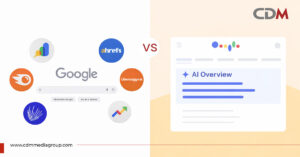
If you notice, the whole internet search process has been...
Read More

You know that feeling when everything you thought you knew...
Read More
Sam Altman’s internal memo marked ‘code red’ wasn’t about a...
Read More
For nearly three decades, Search Engine Optimization (SEO) has shaped...
Read More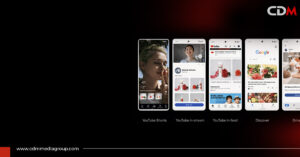
If you have ever felt like Google Ads is that...
Read More
The Rise of Video in Business Communication There has been...
Read More
Social networking and content writing have expanded beyond the B2C...
Read More
With 60% of marketers citing consistency as their biggest content...
Read More
July 10, 2025 wasn’t just another day in the digital...
Read More
Content alone is no longer sufficient in today’s digitally-driven world...
Read More
On a sunny afternoon at the office, I was scrolling through my Facebook homepage when I clicked on my notifications. There, I came across a memory from 2015 in my activity log- a post I had shared about Adrience Mishler, the popular American yoga instructor. As I reflected on it in 2025, I wondered if 2015 had been just the beginning of a content revolution. Back then, Adriene had started her Youtube channel, and it quickly gained a massive following.
Content consumption has evolved drastically and today being a content marketer, I see that content marketing for IT companies space looks totally different. According to Content Marketing Institute (CMI), 87% of B2B marketers reported improved brand awareness in the last 12 months due to their content-driven strategies. With the introduction of AI-driven tools, audiences expect content that speaks directly to their needs, and generic tech blogs just don’t cut it anymore.

The COVID pandemic changed everything. Overnight, businesses had to revisit their digital strategies, remote work became the norm, and IT solutions were in higher demand than ever. But with in-person meetings and sales pitches off the table, IT companies had to rely on content marketing like never before.
Whitepapers, webinars, and thought leadership pieces weren’t just nice-to-haves but became business-critical. Companies that invested in high-quality, engaging content thrived, while those still relying on outdated marketing tactics struggled to keep up.
Before COVID, many IT companies viewed content marketing as just another part of their marketing mix. Post-pandemic, it became the core of how they engaged with customers.
With digital transformation accelerating across industries, buyers needed more in-depth content to make informed decisions. IT companies responded by shifting their focus from broad, generic content to highly technical, niche writing that directly addressed pain points.
With IT buyers consuming more content before making a purchase, the demand for detailed, expert-led writing skyrocketed.
Here I have listed down what has changed over the last decade in the content marketing industry and how it is shaping the businesses globally today.
A decade ago, content creation was all manual. Writers spent hours brainstorming, drafting, and optimizing every piece. Now, AI is helping IT marketers work smarter.
Tools such as ChatGPT and Jasper can:
One thing to note here is that though the introduction of AI has expedited the content creation process, people still want content that feels real, informed, and valuable. The best IT companies are blending AI efficiency with human insight to create compelling, useful content.
Previously, most IT companies stuck to blogs and whitepapers that were text-heavy and boring. However, today with the evolving demand of the consumers, businesses are getting smarter. The inclusion of engaging and interactive video content has changed the way of brand promotion and recognition. Instead of just publishing long-form articles, IT brands have started investing in:
Today, most B2B buyers expect video content as part of their research process. If a company isn’t leveraging visual and interactive content, they’re already behind.
SEO has changed a lot. A few years ago, you could rank high on Google just by cramming your content with keywords. Now, Google prioritizes E-E-A-T—Experience, Expertise, Authoritativeness, and Trustworthiness.
If you want your content to rank, it needs to:
This shift became even more critical post-COVID, as IT businesses relied more on online research for solutions. Thought leadership and credibility became key differentiators in a crowded market.
Businesses had to engage with customers in a more meaningful way. The traditional marketing methods such as one-size-fits-all content were turning out to be redundant. This is where the rise of hyper-personalized content was witnessed globally.
Instead of blasting the same message to everyone, companies started using AI and data analytics to personalize content to individual user preferences.
A decade ago, IT companies mostly stuck to blogs, youtube and LinkedIn. However, today the demand for multi-channel content marketing exploded.
Today, IT brands have curated their marketing strategies around:
An eLearning solutions company, for example, might:
The last decade has transformed content marketing for IT companies from a simple SEO exercise into a sophisticated, multi-channel strategy. But nothing accelerated this shift more than the pandemic.
Before COVID, tech companies relied on traditional methods such as conferences and in-person events to announce their new offering, showcase their product, and generate user interest. Digital mediums were still used but sparingly. The scenario changed completely post-pandemic as IT companies became more digitally engaged, research-driven, and content-hungry than ever before. To stay ahead, IT companies focused on:
Content isn’t just part of an IT company’s strategy anymore—it is the strategy. The companies that understand this will continue to thrive in the digital-first era.
Want help crafting expert-driven content for your IT brand? Talk now to the experts at CDM Media.